Travellers arriving in Great Britain from Japan can bring in goods for their own use or as gifts up to a set personal allowance without paying UK tax or duty. Alcohol and tobacco have separate limits, and meat and dairy from Japan cannot be brought in at all. This guide follows the GOV.UK and HMRC pages as of 28 October 2026.
By Mikako Yoshida ·Published 28 October 2026
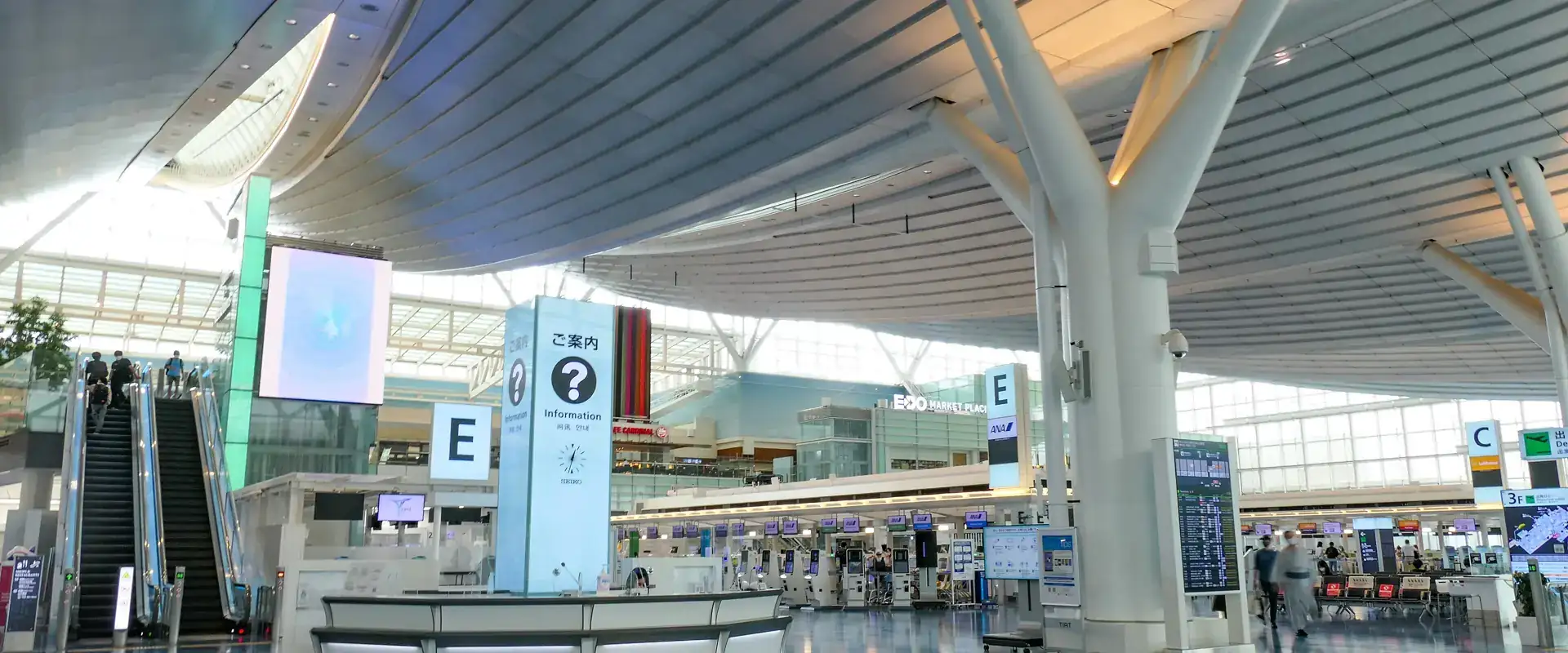
Personal allowances when arriving in Great Britain
| Goods | Allowance per person | Notes |
|---|---|---|
| Other goods (electronics, cosmetics, clothes, souvenirs) | Up to £390 | £270 if you arrive by private plane or private boat |
| Beer and cider | 42 litres | — |
| Wine (still or sparkling) | 18 litres | — |
| Spirits over 22% ABV, or other alcoholic products up to 22% ABV (not beer, cider or wine) | 4 litres of spirits, or 9 litres up to 22% ABV | You can split this allowance, for example 2 litres of spirits and 4.5 litres of fortified wine such as port or sherry |
| Tobacco (one of these) | 200 cigarettes, or 100 cigarillos, or 50 cigars, or 250g tobacco, or 200 sticks for heated tobacco devices | Can be split, for example 100 cigarettes and 25 cigars |
| Vaping liquid | 50ml | — |
| Travellers under 17 | No allowance for alcohol, tobacco or vaping products | They can bring these for their own use but must declare them before arriving |
| Cash | Declare £10,000 or more | Applies to the total carried by a family or group |
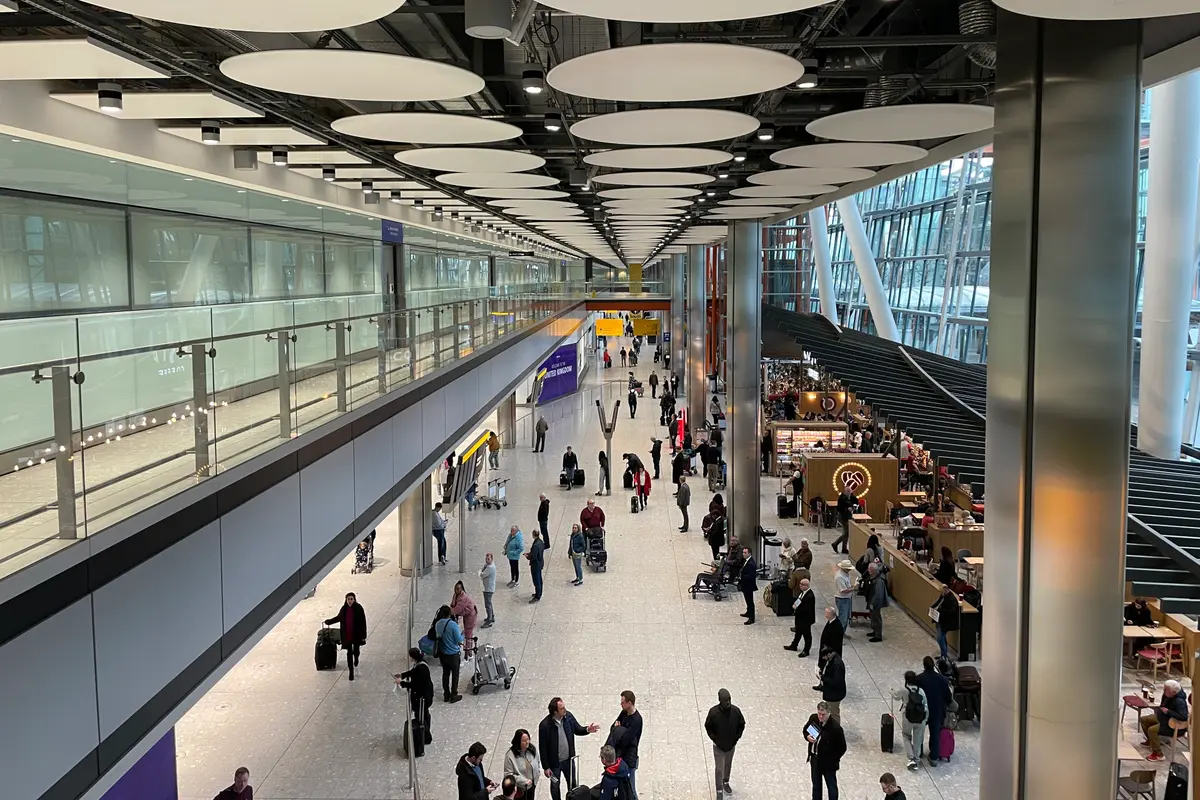
How the allowance is counted
The allowance applies to goods bought overseas, wherever you bought them, including duty-free or tax-free shops and ordinary high-street stores. You must carry the goods yourself and use them yourself or give them away as gifts. Goods to sell or use in a business have no allowance and must always be declared.
You cannot combine your personal allowance with anyone else’s. Each traveller has their own £390, and a couple cannot pool £780 towards one expensive item.
If you go over the £390 allowance, you pay tax and duty on the total value of the goods, not just the part above £390. For alcohol, tobacco and vaping products, going over a category means paying on everything in that category: 19 litres of wine means duty on all 19 litres, not on 1 litre.
Import VAT is charged at the current UK VAT rate on the value of the goods plus any duty. Japan’s tax-free shopping removes only Japanese consumption tax; the UK allowance is a separate system, and UK VAT and duty are worked out on the goods you bring in.
Simplified customs duty rates used by the online service
| Type of goods | Simplified customs duty rate |
|---|---|
| Computers, tablets, mobile phones | 0% |
| Perfume and cosmetics | 0% |
| Watches and clocks | 2% |
| Jewellery | 2% |
| Clothing (adult and children) | 12% |
| Footwear | 16% |
| Glassware | 10% |
| Tableware and kitchenware | 8% |
| All other goods | 2% |
What you pay above the allowance
When you declare online, HMRC calculates customs duty with simplified rates. If the other goods you declare total £630 or less, the service uses a flat 2.5% rate for clothing, televisions, carpets, fabrics, table and kitchenware, glassware and footwear, and the lower simplified rate for categories below 2.5%. Above £630 it uses the category rates in the table. Import VAT is added on top.
Alcohol and tobacco above the allowance also carry excise duty. For example, the simplified excise rate is £12.75 per litre for spirits and £3.52 per litre for still or sparkling wine, and from 1 October 2026 £518.75 per 1,000 cigarettes. The online service accepts alcohol and tobacco only up to upper thresholds, such as 10 litres of spirits, 90 litres of wine or 800 cigarettes; above that you declare everything to Border Force on arrival.
You can also choose an oral declaration to Border Force using the full customs tariff and the main duty rates instead of the simplified rates. If you do, those rates apply to all the goods you declare.
Food, plants and other restricted items from Japan
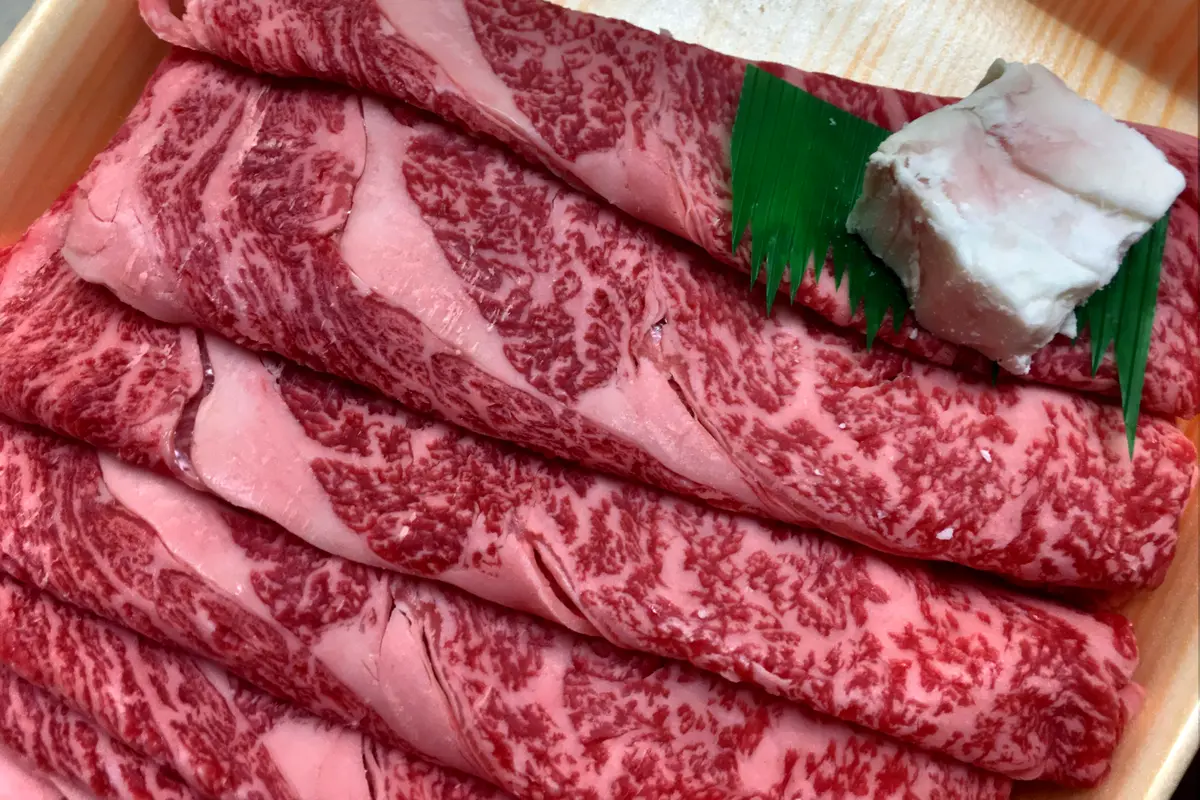
- Meat and meat products from countries outside the EU cannot be brought in. This includes wagyu, beef jerky, sausages and other products made from meat.
- Milk and milk-based products from outside the EU are banned, except powdered infant milk, infant food or special food needed for medical reasons (up to 2kg, unopened branded packaging, no refrigeration needed).
- Most fresh fruit and vegetables from outside the EU need a phytosanitary certificate from the plant health authority of the country you are leaving. Without one you can bring only pineapple, kiwi, coconut, citrus fruits, kumquat, persimmon, durian, curry leaves, banana and plantain, mango, dates, passion fruit and guava. Melons, strawberries, peaches and grapes are not on that list.
- All plants for planting, cut flowers and foliage, parts of trees used as decoration and natural wood from outside the EU need a phytosanitary certificate. Over 2kg of plants for planting must also be inspected on arrival.
- Fish is limited to 20kg per person (fresh fish must be gutted) and honey to 2kg. Caviar needs a CITES permit.
- Pet food from outside the EU is not allowed unless your pet needs it for health reasons.
- Self-defence sprays, flick knives and other offensive weapons, controlled drugs and counterfeit goods are banned or may be seized.
Useful before you fly
Airport transfer when you have a lot of shopping bags
Luggage storage in Tokyo for the hours before an evening flight
Food you can bring from Japan
- Bread (but not sandwiches filled with meat or dairy), biscuits and cakes without fresh cream
- Chocolate and confectionery, unless made with a lot of unprocessed dairy ingredients
- Pasta and noodles, unless mixed or filled with meat
- Packaged soup, stocks and flavourings
- Processed and packaged plant products, peeled and processed nuts, and certain grains such as rice
- Food supplements containing small amounts of animal product, such as fish oil capsules
Arriving in Great Britain
Add up your purchases
Before you fly, total the price of everything bought in Japan except alcohol, tobacco and vaping products, and check each alcohol and tobacco category against its own limit.
Declare online if you are over
From 5 days (120 hours) before arrival you can declare goods and pay any tax and duty online. You need the exact price in the currency you paid, quantities, your passport number, your arrival date and time, and a card for payment. Keep the email receipt or reference number.
Use the right channel
With an online receipt, or with nothing to declare, use the green ‘nothing to declare’ channel. Otherwise go to the red channel or use the red-point phone and declare to Border Force.
Declare cash of £10,000 or more
Declare online or by phone before you travel (up to 72 hours ahead), or follow the ‘goods to declare’ or red channel signs on arrival and tell a Border Force officer.
Hand over banned food
If you have meat, dairy or other banned food, declare it in the red channel. Declared banned food is taken away and destroyed; undeclared food can lead to a fine of up to £5,000 in England or prosecution.
Wagyu and other meat from Japan
Meat and meat products from outside the EU cannot be brought into Great Britain, including vacuum-packed wagyu and beef jerky bought at a Japanese airport. Border Force can seize the products and destroy bags or clothing contaminated by them, and not declaring them can lead to a fine of up to £5,000 in England.
Questions about UK customs after Japan
Does the Japanese tax refund change what I owe in the UK?
I bought a camera for £450. Do I pay only on the £60 above £390?
Can I bring Japanese fruit such as melon or strawberries?
Can my 16-year-old carry a bottle of sake for us?
What about medicine bought or prescribed in Japan?
Are the rules different for Northern Ireland?
Before you leave Japan
More articles

Bringing purchases home to Canada from Japan
CBSA personal exemptions after a trip to Japan: CAN$200 or CAN$800, alcohol and tobacco limits, CAN$10,000 cash rule and CFIA rules on meat.
Read the article
Tax-free at Japan’s drugstore chains from 1 November 2026
Tax-free at Sundrug, Tsuruha, Daikoku Drug, Kokumin, Welcia and Sugi from 1 November 2026: what each chain says, refund fees, coupons and medicine rules.
Read the article
MUJI tax-free shopping in Japan from 1 November 2026
MUJI tax-free in Japan from 1 November 2026: which stores are tax-free, the Ginza flagship, passport and entry stamp rules, member points and the refund.
Read the article
Bringing purchases home to the Philippines from Japan
Returning to the Philippines from Japan: ₱10,000 duty-free limit, cigarettes and liquor, OFW allowances, eTravel declaration, cash limits and meat rules.
Read the article
Tax-free shopping at Japan’s outlet malls from 1 November 2026
Tax-free at Japan’s Premium Outlets and Mitsui Outlet Parks from 1 November 2026: per-shop tax-free, the ¥5,000 minimum, counters, coupons and refunds.
Read the article
Yodobashi Camera tax-free shopping from 1 November 2026
Yodobashi Camera tax-free from 1 November 2026: refunds through Global Blue, cash on the spot at 11 stores, coupons, and the big Akiba and Umeda stores.
Read the article
Australian duty-free allowance after a trip to Japan
Returning to Australia from Japan: A$900 duty-free per adult, A$450 under 18, 2.25 litres of alcohol, 25 cigarettes, cash and biosecurity rules.
Read the article
Hong Kong customs allowance after a trip to Japan
What you can bring back to Hong Kong from Japan duty-free: 1 litre of spirits, 19 cigarettes, cash over HK$120,000 to declare, and banned items.
Read the article
Singapore customs allowance after a trip to Japan
Returning to Singapore from Japan: GST relief of S$500 or S$100, liquor options for sake and umeshu, no duty-free cigarettes, food limits and Customs@SG.
Read the article
US customs allowance when you return from Japan
Returning to the US from Japan: US$800 duty-free per person, a 3% flat rate on the next US$1,000, 1 liter of alcohol, 200 cigarettes and USDA food rules.
Read the article
Tax refund fees by store, from 1 November 2026
Which shops deduct a fee from Japan’s tax refund from 1 November 2026: Don Quijote charges none, department stores deduct one, many chains have not said yet.
Read the article
Tokyo Subway Ticket: is it worth it?
The Tokyo Subway Ticket costs ¥1,000 for 24 hours, ¥1,500 for 48 and ¥2,000 for 72. Add your rides to see if it beats paying by IC card, and where to buy it.
Read the article
Renting a car in Okinawa: what you need
Renting a car in Okinawa as a visitor: Japanese translation or IDP by country, shuttle pick-up at Naha Airport, prices from about ¥7,700 a day, NOC, ETC and bus lanes.
Read the article
Harry Potter Studio Tour Tokyo: tickets and tips
Warner Bros. Studio Tour Tokyo: adult tickets ¥6,300–7,300 by date, timed entry, official sellers including Klook and KKday, the winter event and getting to Toshimaen.
Read the article
Ghibli Museum and Ghibli Park: how to get tickets
Ghibli Museum tickets go on sale on the 10th of the month before; Ghibli Park passes two months ahead. Prices, official sellers, closed days and how to get there.
Read the article
JR Pass calculator: pass or single tickets?
Add your Shinkansen and airport train trips and see whether the 7, 14 or 21-day JR Pass costs less than single tickets. Fares from JR, checked 29 October 2026.
Read the article
How much eSIM data do you need in Japan?
Enter your days in Japan and how you use your phone to see how many GB you need, and the cheapest Airalo, Saily or Yesim plan that fits. Prices checked 28 October 2026.
Read the article
Before you fly to Japan: a checklist to tick off
What to book and set up before a Japan trip, in order: hotels, JR Pass, timed tickets, eSIM, Visit Japan Web, yen and Suica, then arrival day and the tax-free check.
Read the article
Narita Airport to central Tokyo: Skyliner, N’EX or the bus?
Narita Airport to Ueno, Tokyo Station, Shinjuku, Shibuya and Yokohama compared: Keisei Skyliner, JR N’EX, the Limousine Bus, the ¥1,500 bus and taxis, with fares and times. Plus Haneda to central Tokyo.
Read the article
Kansai Airport to Osaka and Kyoto: HARUKA, rapi:t or the bus?
Kansai Airport to Namba, Umeda, Tennoji, Shin-Osaka, Kyoto and USJ compared: HARUKA, Nankai rapi:t, the Kansai Airport Rapid and the limousine bus, with fares and times. The HARUKA visitor ticket went up on 1 November.
Read the article
Getting online in Japan: eSIM, roaming or pocket Wi-Fi?
Getting online in Japan compared with 2026 prices: Airalo, Saily and Yesim eSIM plans, Taiwan and Korea roaming day passes, pocket Wi-Fi and free airport Wi-Fi, and how to check your phone supports eSIM.
Read the article
Is the Japan Rail Pass worth it in 2026?
JR Pass prices in 2026 (7 days ¥50,000), when it pays off against single Shinkansen tickets, the Nozomi special ticket, and the regional passes now the Kansai Area Pass has ended.
Read the article
Suica and ICOCA for visitors: which card to get
Welcome Suica, regular Suica, ICOCA, TOURIST PASMO and Suica on iPhone compared: prices, deposits, the 28-day limit, refunds and where to buy at Narita, Haneda and Kansai, plus tap-to-pay credit cards on Tokyo and Osaka trains.
Read the article
Where to stay in Tokyo and Osaka on your first trip
Shinjuku, Shibuya, Ueno and Asakusa, Tokyo Station or Shinagawa? Namba, Umeda, Tennoji or Shin-Osaka? Which area suits your trip, how to get there from the airport, and the hotel tax in each city.
Read the article
Haneda Airport to central Tokyo: train, bus or taxi?
Haneda Airport to Shinagawa, Shinjuku, Shibuya, Asakusa, Tokyo Station and Yokohama compared: Keikyu, Tokyo Monorail, Airport Limousine buses and flat-rate taxis, with fares, times and the last trains.
Read the article
SHIBUYA SKY: tickets, sunset slots and rooftop rules
SHIBUYA SKY tickets in 2026: ¥2,700 online before 15:00 and ¥3,400 from 15:00, when booking opens, sunset slots, what you can take onto the rooftop and how to get there from Shibuya Station.
Read the article
teamLab Planets or Borderless: which one, and how to book
teamLab Planets (Toyosu) or teamLab Borderless (Azabudai Hills)? Ticket prices in 2026, time slots, what to wear for the water rooms, how to get there, plus teamLab in Kyoto and Osaka.
Read the article
Universal Studios Japan: tickets, Express Pass and Nintendo area entry
USJ tickets in 2026: 1 Day Studio Pass from ¥8,400 with date-based and demand-based prices, Express Pass types, timed entry to Super Nintendo World and Donkey Kong Country, and how to get there.
Read the article
Tokyo Disney Resort tickets: prices, sales dates and Premier Access
Tokyo Disneyland and DisneySea tickets in 2026: 1-Day Passport ¥8,900–12,400 by date, After 3 and After 5 passports, when sales open, Disney Premier Access prices, Fantasy Springs and how to get there.
Read the article
Osaka Amazing Pass: when it pays off
Osaka Amazing Pass in 2026: ¥3,500 for 1 day, ¥5,000 for 2 days, the new ¥5,300 Kansai Airport version, the main free attractions and when the pass pays off.
Read the article
Mount Fuji day trip from Tokyo: bus, train or tour?
Shinjuku to Lake Kawaguchiko for a Mount Fuji day trip: the ¥2,200 highway bus, the ¥4,200 Fuji Excursion train, sightseeing bus passes, Chureito Pagoda, the 5th Station bus and day tours.
Read the article
Entering Japan: what happens when you land
Arriving in Japan in 2026 from Taiwan, Hong Kong, South Korea or the US: 90-day visa-free stays, the Visit Japan Web QR code, joint kiosks, fingerprints, customs allowances and the meat and fruit you cannot bring.
Read the article
Getting yen in Japan: exchange, ATM or card?
How to get yen in Japan in 2026: Seven Bank and Japan Post Bank ATMs that take foreign cards, limits and fees, airport exchange counters, and how much you can pay by card.
Read the article
JESTA is law: what it means for your trips to Japan
Japan passed the JESTA law in May 2026. What it means for trips in 2026, 2027 and from 2028, what is still open, and how to avoid fake application sites.
Read the article
A day trip from Tokyo to GREEN×EXPO 2027
Visiting GREEN×EXPO 2027 in Yokohama as a day trip from Tokyo: the train and shuttle route, what to book in advance, timing and what it costs.
Read the article
Airport duty-free in Japan and how it differs from tax-free shopping
Narita, Haneda and Kansai duty-free shops are not part of the new refund system. What each removes, who can buy, pre-orders, arrival shops and allowances.
Read the article
Department store tax-free shopping from 1 November 2026
Takashimaya, Isetan Mitsukoshi, Hankyu, Daimaru and others from 1 November 2026: the same-day counter, refund fees, 5% visitor discounts and what each store says.
Read the article
UNIQLO and GU tax-free shopping from 1 November 2026
Tax-free shopping at UNIQLO and GU from 1 November 2026: the ¥5,000 minimum per store, passport or Visit Japan Web QR code, and what is not announced yet.
Read the article
Matsumoto Kiyoshi tax-free shopping from 1 November 2026
Tax-free shopping at Matsumoto Kiyoshi and Cocokara Fine from 1 November 2026: what is announced, the 3–7% visitor coupon and keeping medicines unopened.
Read the article
Bic Camera tax-free shopping from 1 November 2026
Tax-free shopping at Bic Camera from 1 November 2026: the reported free refund, the J-TaxRefund system, the visitor coupon and the big stores to visit.
Read the article
Japan’s consumption tax: 10%, 8% and the planned cut on food
Japan’s sales tax, the consumption tax, is 10% on most goods and 8% on food and soft drinks. What it means for your tax refund, and the bill to cut food to 1% from April 2027.
Read the article
Visit Japan Web: how to use it in 2026
How to use Visit Japan Web in 2026: is it mandatory, account and family setup, the entry QR code, the tax-free QR code and the online customs check for refunds.
Read the article
Don Quijote tax-free shopping from 1 November 2026
Tax-free shopping at Don Quijote (Donki) from 1 November 2026: no refund fee except airport cash, the 5% and 7% visitor coupon, passport and card rules.
Read the article
The Visit Japan Web tax-free QR code
The VJW tax-free QR code still replaces your passport in shops — but it does not replace the airport customs check. How to turn it on, what it does, and how the separate online check at 7 airports works.
Read the article
Can you open, use or check in tax-free items?
Yes, you can open them. Clothes, bags and electronics may be used in Japan; food and cosmetics must not be used up. Do the customs check before checking bags.
Read the article
What you can and cannot buy tax-free in Japan
What qualifies for Japan’s tax refund from 1 November 2026: gold bullion and coins no, jewellery and iPhones yes, meals and hotels no, business use now allowed.
Read the article
Japan tax refund apps and websites: J-TaxRefund, JPrefund and the rest
J-TaxRefund has no app and no login page to bookmark: scan the QR code on your receipt, and the site opens in English, Chinese or Korean. JPrefund, Global Blue, PIE VAT and Ocean compared.
Read the article
Bought in October, leaving in November: which tax-free rules apply?
Shopping in Japan just before 1 November 2026 and flying home after? The sale date, not your departure date, decides which tax-free rules apply. Every case explained.
Read the article
Luxury watches, bags and jewellery over ¥1,000,000: getting the tax back
From 1 November 2026, items of ¥1,000,000 or more before tax need extra details on the tax-free record: what the shop records and what you should keep.
Read the article